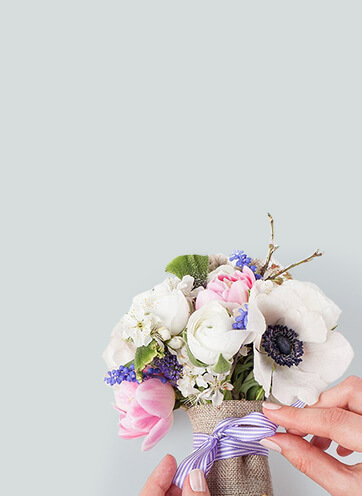
Peonies: A Floral Symphony of Colorful Symbolism
Posted on 08/05/2026

Introduction
Few flowers command admiration like the peony. Revered for centuries from imperial China to contemporary wedding aisles, peonies marry sumptuous form with deep cultural meaning. Their lush, layered petals unfold like music, each bloom a movement in a larger suite of stories about love, honor, prosperity, remembrance, and renewal. In this guide, we explore Peonies: A Floral Symphony of Colorful Symbolism -- a comprehensive, expert-led resource that clarifies what each hue communicates, how to grow and design with them, and how to respect sustainability and regulations when sourcing or planting.
Whether you are a gardener seeking confident, long-lived blooms, a florist crafting expressive arrangements, or a gift-giver looking to send a message without words, this SEO-optimized, research-backed guide will help you make informed, inspired choices. Consider this your authoritative roadmap to the meaningful spectrum of peony color, cultivated with practical horticultural expertise and design insights you can trust.
Table of Contents
- Why This Topic Matters
- Key Benefits
- Step-by-Step Guidance
- Expert Tips
- Common Mistakes to Avoid
- Case Study or Real-World Example
- Tools, Resources & Recommendations
- Law, Compliance or Industry Standards (UK-focused)
- Checklist
- Conclusion with CTA
- FAQ
Why This Topic Matters
Peonies are more than floral celebrities of late spring; they are cultural symbols with centuries of resonance. In Chinese heritage, peonies -- known as mudan -- signify honor, wealth, and high social status. In Japan, they can represent bravery and good fortune. In Western design, peonies often carry connotations of romance, devotion, and a happy marriage -- making them wedding favorites. Understanding this spectrum moves you beyond beauty and into meaning, enabling more thoughtful planting, styling, gifting, and storytelling.
From a horticultural perspective, peonies are models of reliability. Herbaceous peonies can live 50-100 years with proper siting and minimal maintenance. Tree peonies and intersectional (Itoh) hybrids offer extended palettes -- including coveted yellows and corals -- and broaden climate resilience. With climate uncertainty and consumer focus on seasonality and sustainability, mastering peonies' care and symbolism supports smarter choices in gardens, events, and retail floristry.
Finally, the modern consumer wants depth: symbolic accuracy, eco-conscious sourcing, and professional-level conditioning for long vase life. This guide to Peonies: A Floral Symphony of Colorful Symbolism blends horticultural best practice with design intelligence so your blooms are as meaningful as they are magnificent.
Key Benefits
- Symbolism fluency: Confidently match peony colors to messages -- from romance to remembrance -- for weddings, gifts, and branding.
- Long-lived plantings: Learn site selection, planting depth, and low-input care to enjoy decades of dependable blooms.
- Design versatility: Combine peonies with complementary stems and mechanics for high-impact, foam-free arrangements.
- Seasonal and sustainable: Optimize local, seasonal availability to reduce carbon footprint and cost while maintaining premium quality.
- Professional conditioning: Use florist-tested techniques to maximize vase life and prevent common issues like botrytis.
- Compliance-savvy: Understand UK plant health, pesticide, and import guidelines to operate ethically and legally.
Step-by-Step Guidance
1) Understand the peony families
- Herbaceous peonies (Paeonia lactiflora and hybrids): Die back to ground each winter. Hardy, classic, abundant varieties in pinks, whites, reds, and corals.
- Tree peonies (Paeonia suffruticosa and hybrids): Woody shrubs that keep structure year-round, with large, often ruffled flowers, including rare yellows and purples.
- Intersectional or Itoh hybrids: Crosses between herbaceous and tree peonies; sturdy stems, extensive color range, excellent landscape performance.
2) Decode the color symbolism
Color is the heart of Peonies: A Floral Symphony of Colorful Symbolism. Use these associations to send the right message:
- Pink peonies: Romance, affection, gentleness, a happy marriage. Versatile for weddings, anniversaries, first loves.
- White and cream peonies: Purity, sincerity, remembrance, apology. Suitable for weddings and thoughtful sympathy arrangements (consider regional customs).
- Red peonies: Passion, honor, prosperity. In Chinese traditions, an auspicious emblem of status and celebration.
- Coral and peach peonies: Optimism, new beginnings, gratitude. Ideal for graduations, promotions, and spring fetes.
- Yellow peonies: Creativity, wealth, hope -- often seen in Itoh and tree peonies; impactful for statement designs.
- Purple peonies: Nobility, admiration, opulence; perfect when you want an air of grandeur.
Note: Symbolism varies by culture and personal context. When the message matters, pair color with a heartfelt note to avoid misinterpretation.
3) Select the right location and soil
- Sunlight: Full sun (6+ hours) for herbaceous peonies; tree peonies appreciate morning sun and light afternoon shade in hotter regions.
- Soil: Well-drained, fertile loam with pH ~6.5-7.0. Heavy clay can be improved with organic matter and sharp sand. Avoid waterlogging at all costs.
- Space: Good air circulation reduces disease pressure. Allow 3-4 ft (90-120 cm) between clumps.
4) Planting -- depth and timing are crucial
- Timing: Best in autumn when soil is still warm (September-November in the UK). Spring planting is possible but may delay blooms a season.
- Depth for herbaceous peonies: Place eyes 1-2 inches (2.5-5 cm) below the soil surface in cooler regions; in mild climates, plant shallower, about 1/2-1 inch, to ensure adequate chilling.
- Tree peonies: Plant the graft union 4-6 inches (10-15 cm) below soil level; this encourages own-root growth over time.
- Backfill: Mix in compost and a balanced, low-nitrogen fertilizer. Firm gently and water to settle.
5) Annual care calendar
- Late winter-early spring: Clear debris. Apply a light top-dress of compost and a balanced fertilizer (e.g., 5-7-5). Install peony rings before stems elongate.
- Spring-early summer: Water deeply but infrequently; maintain even moisture during bud formation. Avoid overhead watering to reduce botrytis risk.
- After flowering: Deadhead to divert energy to roots. Do not cut back foliage on herbaceous types until after frost blackening; leaves feed the crown.
- Autumn: Cut herbaceous peonies to ground once foliage dies back; remove and dispose of spent material to reduce disease carryover.
6) Dividing and moving
Divide herbaceous peonies in autumn if clumps are overcrowded or bloom has declined. Each division should carry 3-5 eyes and robust roots. Replant promptly at correct depth. Tree peonies are rarely divided; consider approach grafting or purchase quality grafted or own-root plants.
7) Disease and pest management
- Botrytis blight: The most common issue. Prioritize sanitation, spacing, airflow, and morning watering. Remove infected tissues; in severe cases, consult UK-approved fungicides and follow label and COSHH requirements.
- Powdery mildew: Improve air circulation; consider resistant cultivars for humid sites.
- Aphids and thrips: Manage with integrated pest management (IPM): encourage beneficial insects, use water jets, and where necessary, apply HSE-approved products according to labels.
8) Harvesting and conditioning for cut flowers
- Stage: Harvest at the soft bud stage (marshmallow feel) just as outer petals loosen; this maximizes vase life.
- Cut: Use sanitized, sharp snips. Cut early morning when stems are turgid; leave at least two sets of leaves to feed the plant.
- Hydrate: Strip foliage below the waterline; place in cool, clean water with floral preservative. Chill at 1-2 ?C for storage; peonies dry-hold well in refrigerator conditions for several days.
- Display: Use clean vases, refresh solution every 2-3 days, and keep away from direct sun and ripening fruit (ethylene exposure).
9) Composing with meaning -- design guidance
- Romantic designs: Pink peonies with garden roses and jasmine vines evoke tenderness. Add soft foliage like dusty miller.
- Modern minimal: A mono-botanical bundle of coral peonies in a matte cylinder underscores optimism and clarity.
- Opulent statement: Purple and crimson peonies with dark foliage, anthurium, and plum heuchera signal luxury and confidence.
- Sympathy and sincerity: White peonies with hellebore and olive convey remembrance and peace.
- Eco-forward: Foam-free mechanics (chicken wire, reusable pin frogs). Source local, seasonal stems to reduce footprint.
Expert Tips
- Chilling hours matter: Many herbaceous peonies require significant winter chill (often 500-1000 hours below 7 ?C) for reliable bud set. In very mild areas, choose Itoh hybrids and microclimates with cooler winter night air.
- Plant shallow: Planting herbaceous peonies too deep is the number one reason they fail to bloom. Keep eyes near the surface.
- Support early: Install supports in late winter. Trying to ring plants after stems elongate leads to breakage and poor presentation.
- Fertilize light and right: Peonies resent heavy nitrogen; excess foliage at the expense of flowers is a telltale sign. Favor slow-release, balanced feeds and rich compost.
- Sanitation is strategy: Remove spent foliage in autumn, avoid overhead watering, and thin crowded clumps to lower disease incidence dramatically.
- Color cues for bouquets: Use the symbolism to tell stories -- red for honor, yellow for creativity, coral for new beginnings. It boosts perceived value and emotional resonance.
- Tree peony pruning: Minimal. Remove dead or crossing wood after flowering. Do not hard-cut like herbaceous types.
- Ethylene vigilance: Keep cut peonies away from ripening fruit and vehicle exhaust; ethylene accelerates senescence.
- Test vase life: Trial cultivars in your conditions. Some varieties like Sarah Bernhardt offer excellent longevity; others trade life for dramatic form.
- Photo-proof your palette: For events, photograph sample combinations in venue lighting. Peony colors can shift under warm LEDs versus daylight.

Common Mistakes to Avoid
- Planting too deep: The classic bloom-killer for herbaceous peonies.
- Overwatering or poor drainage: Waterlogged crowns invite rot. Prioritize drainage over irrigation frequency.
- Overfeeding nitrogen: Lush leaves, few flowers. Balance is key.
- Cutting too many stems: Removing too much foliage weakens next year's flowering potential.
- Ignoring airflow: Tight planting promotes botrytis. Give peonies room to breathe.
- Symbolism missteps: Sending bold reds for a condolence, or white-only in cultures where that suggests mourning, can create discomfort. Know your audience.
- Late staking: Trying to support heavy blooms after they flop risks damage and uneven displays.
- Assuming all peonies are alike: Tree peonies and Itoh hybrids have different planting depths and pruning needs.
Case Study or Real-World Example
Brief: A UK-based boutique florist planned a late-May wedding featuring Peonies: A Floral Symphony of Colorful Symbolism, with a palette of blush pink, white, and a highlight of coral. The couple wanted romance, gratitude, and new-beginning themes woven into the florals, and they asked for low-waste mechanics and seasonal sourcing.
Approach: The florist sourced locally grown Sarah Bernhardt (pink), Duchesse de Nemours (white), and Coral Charm (coral) from a regional grower within 50 miles. Stems were cut at marshmallow stage, conditioned in a cool room at 2 ?C, and arranged using reusable pin frogs and chicken wire. The designs featured layered symbolism: pink bridal bouquet (romance and tenderness), white ceremony arrangements (sincerity), and coral table accents (hope and gratitude).
Challenges: A humid spell elevated disease risk. To mitigate, the team kept stems dry in storage, disinfected buckets with a quaternary ammonium solution, maintained airflow, and minimized time out of cool storage before installation.
Outcome: All arrangements held for the full event day and beyond. The couple shared that guests commented on both fragrance and story. Logistics analysis showed a 28% cost reduction compared to importing stems, and an estimated 35-50% reduction in transport-related emissions based on typical airfreight miles avoided. The symbolic cohesion elevated perceived value and guest engagement.
Tools, Resources & Recommendations
- Soil tools: pH meter or test kit; garden fork and spade; grit or sharp sand for drainage improvement.
- Planting aids: Peony rings or low hoops; mulch for moisture regulation (keep away from crown to deter rot).
- Cutting and conditioning: Florist-grade snips, bleach or approved disinfectant for buckets, floral preservative, cool storage (1-4 ?C), and clean, food-safe containers.
- Design mechanics: Reusable pin frogs, chicken wire, waterproof tape, reusable vessels to enable foam-free, sustainable designs.
- Reference standards and guidance: Royal Horticultural Society (RHS) cultural notes for peonies; British Florist Association best-practice conditioning; HSE pesticide approvals and COSHH guidance; DEFRA/APHA plant health notes.
- Cultivar shortlist to try:
- Pink: Sarah Bernhardt, Monsieur Jules Elie
- White: Duchesse de Nemours, Shirley Temple (fades to blush white)
- Red: Karl Rosenfield, Red Charm
- Coral: Coral Charm, Coral Sunset
- Yellow (Itoh/tree): Bartzella, High Noon
- Purple: Cardinal Vaughan (tree peony), Morning Lilac (Itoh)
- Planning software: Simple spreadsheets for bloom calendars; weather apps to track chill; inventory lists for mechanics and preservation supplies.
Law, Compliance or Industry Standards (UK-focused if applicable)
Operating safely and legally builds trust and protects biosecurity. If you grow, sell, import, or design with peonies in the UK, consider the following:
- Plant health and biosecurity: The UK framework, derived from Regulation (EU) 2016/2031 and adapted post-Brexit via The Plant Health (Amendment etc.) (EU Exit) Regulations 2020, requires plant passports for the movement of plants for planting within Great Britain. Check if your peony stock qualifies; cut flowers typically do not require passports, but plants for planting do.
- Imports and notifications: Importing peony plants or certain plant products from abroad generally requires pre-notification via IPAFFS and an official phytosanitary certificate. Work with your supplier to ensure correct documentation and inspections by APHA, and adhere to any country-specific special requirements.
- Pesticides and plant protection products: Only use HSE-approved products with a valid MAPP number in Great Britain. Store and apply according to labels, maintain records, and comply with COSHH (Control of Substances Hazardous to Health) for staff safety.
- Waste and water: Dispose of green waste responsibly in line with local authority rules. If abstracting significant water for irrigation, consult the Environment Agency regarding licensing thresholds.
- Workplace safety for florists and growers: Manual Handling Regulations (avoid repetitive strain with heavy buckets), PPE for chemical use, ladder safety for large installations, and electrical safety for cool rooms and lighting.
- Invasive pests and diseases: Stay informed via DEFRA/APHA alerts. While peonies are not currently high-risk vector species, vigilance for notifiable pests and hygiene protocols in nurseries are essential.
- Claims and labeling: If advertising as British-grown or organic, ensure claims are accurate and substantiated. Follow CAP/ASA guidance for marketing communications.
Checklist
- Site and soil: Full sun, free-draining soil, pH 6.5-7.0, ample spacing.
- Planting: Autumn timing; herbaceous eyes 1-2 inches deep; tree peony graft 4-6 inches deep.
- Feeding: Light, balanced nutrition in spring; top-dress with compost.
- Water: Deep, infrequent watering; avoid wetting foliage.
- Support: Install peony rings early.
- Sanitation: Remove diseased tissues promptly; clear foliage in autumn.
- Harvest: Marshmallow bud stage; clean tools; cool hydration with preservative.
- Design: Foam-free mechanics; style to symbolism; test color in venue light.
- Compliance: Check plant passports for plants for planting; follow HSE/COSHH and APHA rules.
- Communication: Include symbolism notes with gifts and event florals for added meaning.
Conclusion with CTA
Peonies embody a rare union: effortless beauty, profound symbolism, and horticultural endurance. When you master their care and meaning -- from planting depth to color selection -- you orchestrate more than a display; you conduct an experience. Peonies: A Floral Symphony of Colorful Symbolism can guide your choices whether you are curating a wedding narrative, refreshing a garden, or elevating retail offerings with purposeful storytelling. With mindful sourcing, proper conditioning, and respect for UK plant health and safety standards, your peonies will speak clearly and last longer, turning every arrangement or border into a work of living art.
Get a free quote today and see how much you can save.
FAQ
What peony varieties are best for beginners?
Classic herbaceous cultivars like Sarah Bernhardt, Duchesse de Nemours, and Karl Rosenfield are reliable, widely available, and forgiving. They bloom well in full sun with minimal fuss.
How deep should I plant herbaceous peonies?
Shallow is key: set the eyes 1-2 inches (2.5-5 cm) below the soil surface in cooler regions; in milder climates, plant closer to 1/2-1 inch to ensure adequate winter chilling for bud set.
Do tree peonies require different care?
Yes. Plant the graft 4-6 inches deep and avoid hard cutting after bloom; prune only dead or crossing wood. Provide morning sun and dappled afternoon shade in hot areas.
What do different peony colors symbolize?
Pink suggests romance and a happy marriage; white conveys purity and remembrance; red indicates honor and passion; coral expresses gratitude and new beginnings; yellow signals creativity and wealth; purple reflects nobility and admiration.
How can I get longer vase life from cut peonies?
Harvest at marshmallow bud stage, use clean tools and buckets, add floral preservative, hydrate in cool conditions, and keep away from heat, sun, and ethylene sources like ripening fruit.
Why aren't my peonies blooming?
Common culprits include planting too deep, insufficient sunlight, excessive nitrogen, immature plants (peonies can take 2-3 years to settle), or inadequate winter chill. Correct these factors to restore flowering.
Are peonies suitable for warmer climates?
Yes, with caveats. Choose Itoh hybrids and microclimates with cooler winter nights, plant very shallow, and provide afternoon shade. Some cultivars need fewer chilling hours than others -- trial locally.
Can I divide peonies, and when?
Divide herbaceous peonies in autumn when dormant. Each division should have 3-5 eyes and strong roots. Replant promptly at the correct depth. Tree peonies are rarely divided; purchase quality plants instead.
What UK regulations apply if I sell peony plants?
You may need to use plant passports for plants for planting within GB, comply with IPAFFS and phytosanitary requirements for imports, and use only HSE-approved pesticides under COSHH. Check DEFRA/APHA and HSE guidance.
How do I prevent botrytis on peonies?
Prioritize airflow, avoid overhead watering, remove spent foliage in autumn, and sanitize tools and buckets. In severe cases, consult UK-approved fungicides and always follow label and safety protocols.
What mechanics are best for sustainable peony arrangements?
Use foam-free methods such as chicken wire, reusable pin frogs, and taped grids. These provide strong support for heavy peony blooms while reducing waste and microplastics.
Are peonies appropriate for sympathy flowers?
Yes, especially whites and soft pastels that symbolize sincerity and remembrance. Always consider cultural norms and the family's preferences when selecting colors and styles.
Do peonies attract ants, and is that a problem?
Ants are often attracted to peony nectar, especially on buds. They are generally harmless and do not aid opening. Gently shake stems before bringing indoors to remove ants.
How long do peony plants live?
With proper siting and care, herbaceous peonies can thrive for 50-100 years, making them a legacy plant in many gardens.
When is peony season in the UK?
Outdoor, field-grown peonies typically peak from mid-May through June, varying by region and cultivar. Protected cropping and cold storage can extend availability slightly on either side.
What is the difference between Itoh and herbaceous peonies?
Itoh hybrids combine tree peony flowers and sturdy stems with herbaceous growth habits. They die back in winter like herbaceous types but offer a broader color range, including robust yellows.
Can I grow peonies in containers?
Large containers are possible for some herbaceous cultivars with excellent drainage and consistent moisture. However, ground planting usually yields better long-term performance and winter chilling.
Do peonies have fragrance?
Many do. Fragrance varies by cultivar, from light and sweet to rich and rose-like. Sarah Bernhardt and Duchesse de Nemours are cherished for their scent.
Which peonies are best for bold, modern color schemes?
Try Coral Charm or Coral Sunset for vivid warmth, Bartzella (Itoh) for saturated yellow, Red Charm for velvety crimson, and Morning Lilac (Itoh) for contemporary purple-magenta.
Peonies: A Floral Symphony of Colorful Symbolism offers gardeners, florists, and gift-givers a practical pathway to beauty with meaning -- from soil preparation to the final, fragrant flourish.